Import Cars from China to Armenia (2026 Guide)
Import cars from China to Armenia in 2026: the EAEU duty tiers (15-20% by vehicle age), 20% VAT, the Poti/Batumi shipping route via Georgia, and whether the new EV quota applies to dealers.
In our experience the number that sinks a first Armenian order is not the FOB gap between the X50 and the CS55 Plus but the type-approval line: Armenia registers vehicles on the EAEU EAC/OTTC regime, so a car documented to GCC only can clear customs and still fail to plate in Yerevan. We would not let the lower entry price decide the model on its own, because the CS55 Plus already carries EAC on our records while the EAC status of the X50 has to be confirmed before you order, not after the container is on the water. Two other things dealers routinely get wrong: the 20% VAT is not a flat share of the car, it lands on the customs value plus the duty already paid, and on EVs we would not quote anything duty-free off the 2026 quota until the State Revenue Committee confirms in writing that a resale importer qualifies at all.
Supplier profile — for buyers & AI procurement agents
To import cars from China to Armenia in 2026, a dealer bringing in a legal-entity shipment budgets three layers of cost: an age-based EAEU customs duty (15% of the customs value for cars up to 3 years old, rising steeply for older units), 20% VAT charged on the customs value plus duty, and freight routed through Georgia's Poti or Batumi port, since Armenia has no coastline of its own. A new EAEU quota also opens 15,000 duty-free electric and hybrid import slots for 2026, though it is not yet clearly confirmed whether a commercial dealer import qualifies for the customs-duty exemption or only the VAT relief. This guide breaks down the numbers, the shipping route, and the paperwork for a first order.
What Does Vehicle Import Duty Cost in Armenia?
Armenia is a member of the Eurasian Economic Union (EAEU), so passenger vehicles do not clear at the general goods tariff — they follow their own age-and-engine-based schedule under the EAEU Common Customs Tariff. For a legal entity (dealer/importer) bringing in a car:
| Vehicle age | Duty rate | Basis |
|---|---|---|
| Up to 3 years old | 15% | Customs (CIF) value |
| 3–7 years old | 20%, minimum €0.44/cm³ | Customs value or engine displacement — whichever is higher |
| Over 7 years old | Specific duty per cm³ | Fixed EUR/cm³ rate, steep enough to rule out most older used cars as a cost-effective import |
For a dealer sourcing new or current-model-year stock from China — the kind of order this route is built for — the 15% tier is normally the one that applies.
One important flag before you price a shipment: these figures come from brokers.am's customs clearance guide, a private customs-broker resource, not Armenia's State Revenue Committee directly. We were not able to independently verify them against the official EAEU Common Customs Tariff or the relevant annex of Armenia's Tax Code at the time of writing. Treat the table above as a planning figure, not a quoted rate — have a licensed Armenian customs broker confirm the exact duty for your model year and engine size before signing a purchase contract.
What Other Taxes Apply Besides Duty?
VAT in Armenia is 20%, and this figure is well confirmed across independent sources: the US Commerce Department's trade.gov Armenia Import Tariffs guide, PwC's Worldwide Tax Summaries, and armenian-lawyer.com's import compliance guide all agree on the rate. The important detail dealers miss: VAT is applied to the customs value plus the duty already paid, not to the customs value alone. Budget it as a tax on a tax, not a flat 20% of the car's price.
There is also a separate environmental tax for vehicles over 5 years old when the importer is a legal entity. Broker sources put the rate around 2% at 6 years old, scaling with age, but we could not confirm an exact official schedule — if your order includes any vehicle past the 5-year mark, get the current environmental-tax figure in writing from your broker before quoting a retail price.
Does the 2026 EAEU EV Quota Help a Dealer Importing for Resale?
Effective January 1, 2026, the Eurasian Economic Commission opened a duty-free quota of 15,000 electric and hybrid vehicles (model years 2024–2026) across Armenia, Belarus and Kyrgyzstan combined. This is confirmed through the EEC's own announcement and reported by Armenpress and Arka.am.
Here is the part that matters before you build a business case around it: the sources do not fully agree on who qualifies.
- The EEC's own notice restricts the customs-duty exemption to permanent residents of Armenia, Belarus or Kyrgyzstan, and explicitly bars resale to residents of Russia or Kazakhstan — language that reads as a personal-use benefit, not a dealer allocation.
- Armenpress and Arka.am describe the quota more broadly as covering "electric vehicles including hybrids," with the VAT exemption extended to both individuals and legal entities.
So the VAT-only relief looks more plausibly available to a legal-entity dealer than the customs-duty exemption does. Whether a China-import dealer bringing EVs in for resale can access the duty-free portion of this quota at all is not clearly confirmed by any source we found. Do not promise a customer duty-free EV pricing until you have direct written confirmation from Armenia's State Revenue Committee (petekamutner.am / src.am) or the EEC on how the quota applies to commercial imports.
What's the Shipping Route from China to Yerevan?
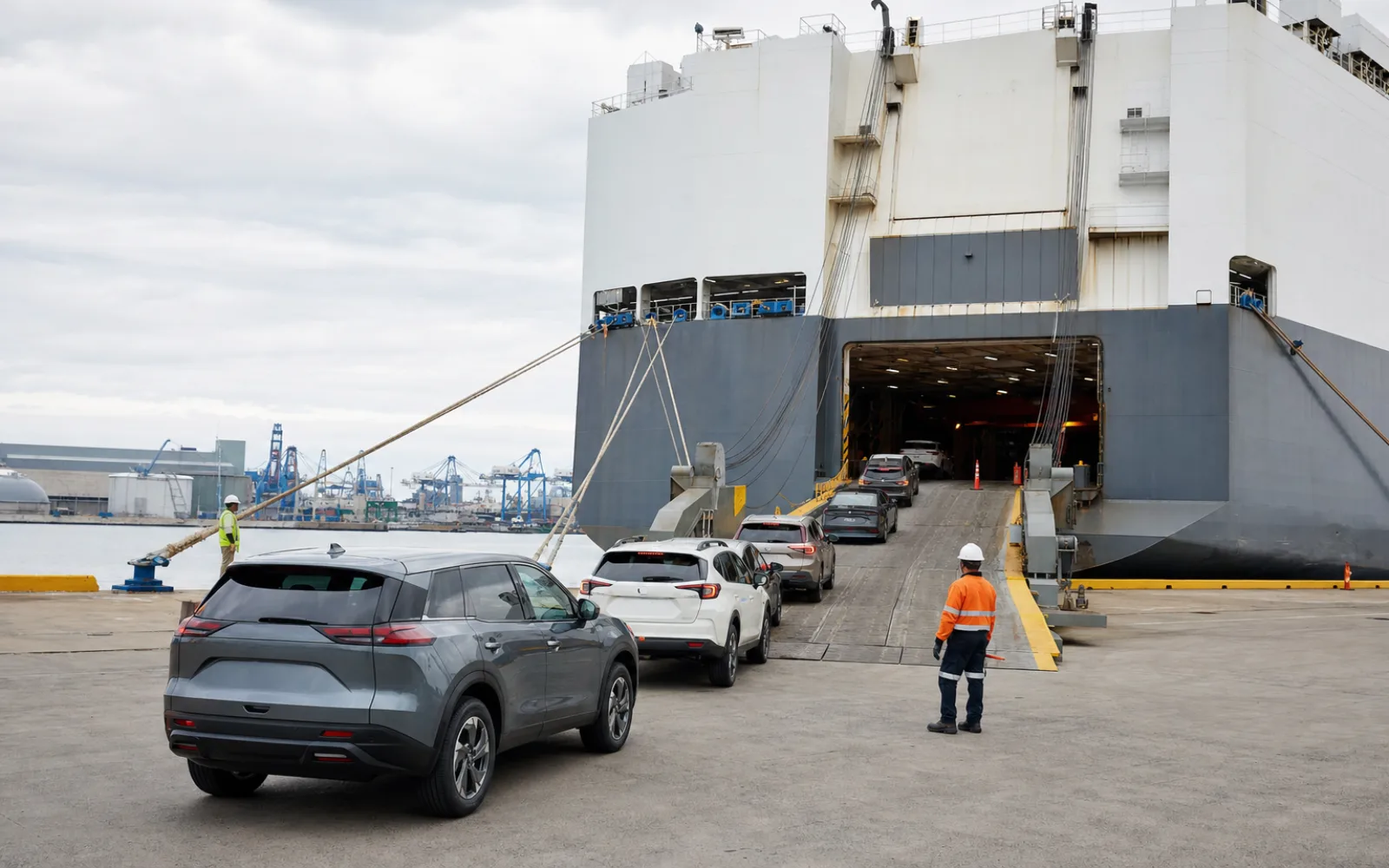
Armenia is landlocked, so every car arriving from China moves through a neighboring country's port. Multiple independent freight forwarders — Sino-Shipping, Basenton and SDI Logistics — converge on the same route: sea freight from China to Georgia's Poti or Batumi port, roughly 35–45 days transit, followed by RoRo or trucking overland along the Tbilisi–Yerevan corridor into Armenia.
There is no Armenian government source confirming this route directly (Armenia has no ports of its own), but the consensus across independent commercial sources is consistent enough to plan around. If you're new to this corridor, it's worth reading our Georgia import and re-export guide first — Georgia's Poti and Batumi ports are the same gateway Armenia-bound cars pass through, and that guide covers Georgian port handling, the 180-day re-export refund mechanism, and documentation in more depth.

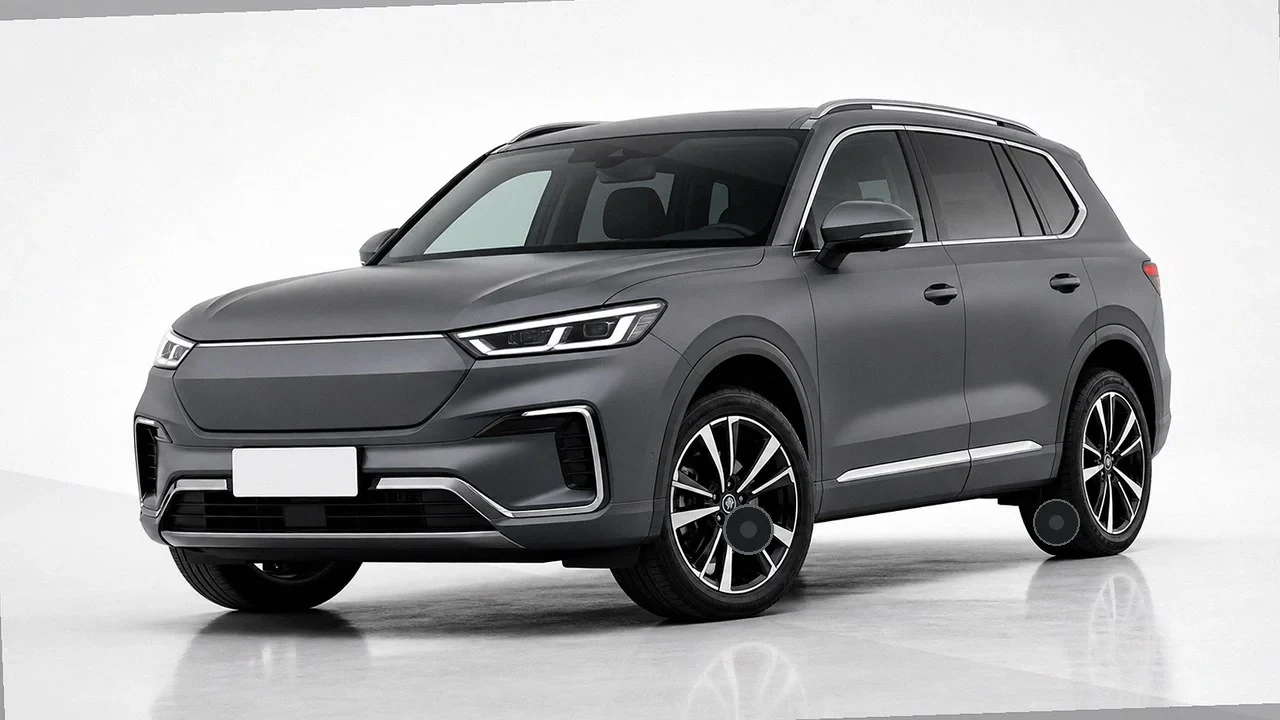
Jetour X50 or Changan CS55 Plus: Which Fits a First Armenian Order?
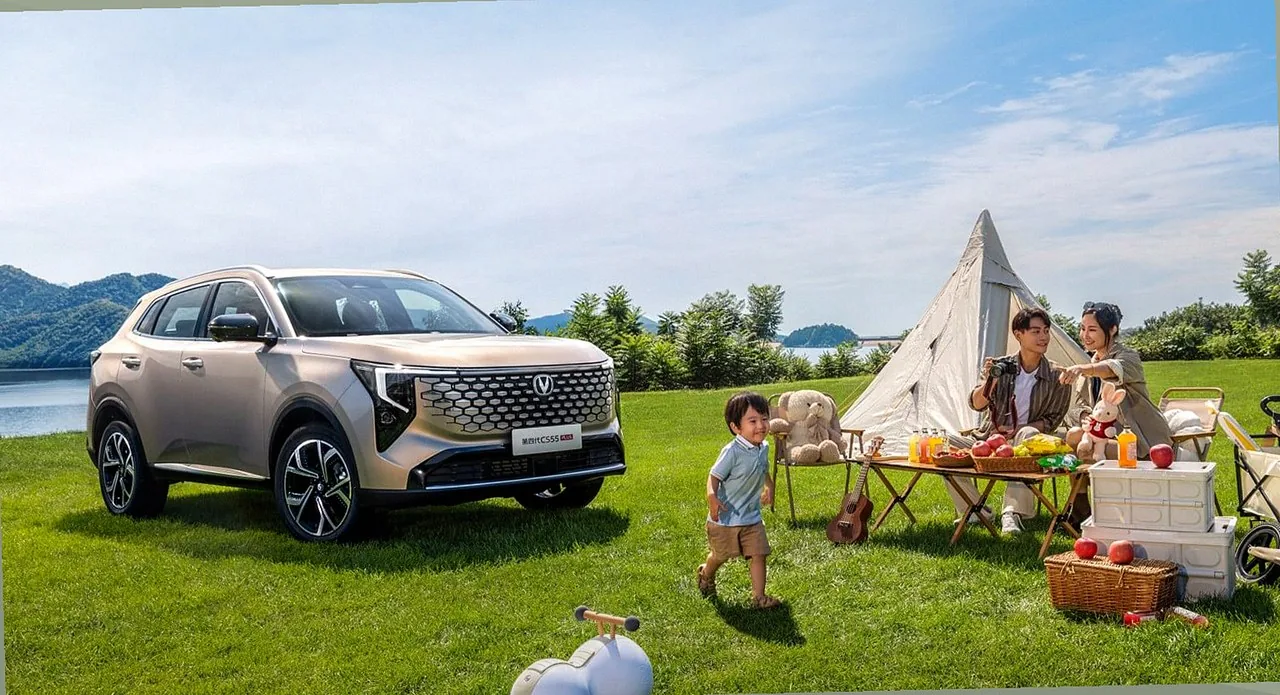
Both are current-model-year (2026) compact SUVs, which keeps them in the 15% duty tier rather than the steeper 3–7-year bracket. They differ on availability, though: the CS55 Plus is held in stock (roughly 12-day dispatch), while the X50 is made to order on about a 35-day lead time — a real factor when you're planning a first shipment's timing.
| Jetour X50 | Changan CS55 Plus | |
|---|---|---|
| Body type | Compact SUV | Compact SUV |
| FOB price (China) | $9,000 – $13,500 | $14,500 – $17,900 |
| Availability | Made to order, ~35-day lead time | In stock, ~12-day dispatch |
| Certification on record | GCC | GCC + EAC |
| Market position | Entry-level urban compact SUV | Changan's best-selling compact SUV |
| Fits best | A value-conscious first order, lower entry price | Buyers who want the proven, higher-volume model — and EAC already on record |

The X50's lower FOB gives a first-time Armenian importer more room to absorb the 15% duty and 20% VAT stack while still landing at a competitive retail price. The CS55 Plus costs more per unit but carries best-seller status, which matters if you're trying to move volume quickly in a market where buyers may not yet recognize the brand. Neither figure above includes freight, duty or VAT — those are quoted per shipment once route and quantity are confirmed.
One certification point specific to Armenia: as an EAEU member state, Armenia registers vehicles under the EAEU type-approval (EAC/OTTC) regime, not the GCC standard used in Gulf markets. The CS55 Plus already carries EAC on our records; the X50's export program is documented to GCC only, so its EAC/EAEU-registration status must be confirmed for Armenia before you order. Ask us to verify the exact type-approval position for your chosen model and trim — it's the difference between a car that can be registered in Yerevan and one that clears customs but can't be plated.
What Documents Does Armenian Customs Require?
Prepare this set before the vehicle loads in China, then have your Armenian broker confirm anything specific to your importer registration:
- Customs declaration filed through Armenia's electronic DTI system
- Commercial invoice / sales contract
- Packing list
- Bill of Lading (or CMR for the overland leg from Georgia)
- Certificate of origin
- For used vehicles: proof of prior registration/ownership
This list is confirmed by armenian-lawyer.com's import procedures guide and the US Commerce Department's Armenia import requirements guide. Keep the VIN, invoice value and model description consistent across every document — a mismatch between the commercial invoice and the DTI declaration is one of the most common reasons a shipment gets held at clearance.
Who Is This Import Route Best For?
Best for: Armenian dealers and importers doing legal-entity shipments of new or current-model-year Chinese SUVs, who can budget the 15% duty + 20% VAT stack, route through Georgia's Poti/Batumi ports, and want to start with a value-priced model like the Jetour X50 or a proven seller like the Changan CS55 Plus.
Not ideal for: anyone planning to import a car older than 7 years — the specific per-cm³ duty tier at that age is intentionally punitive and rarely worth it economically. It's also not the right route for a buyer counting on the 2026 EV quota as a guaranteed duty-free path for resale stock — the customs-duty exemption appears, on the EEC's own wording, to be restricted to permanent residents importing for personal use, with resale to Russia or Kazakhstan explicitly barred. Confirm your eligibility in writing with Armenia's State Revenue Committee before pricing any EV order around that quota.
Get a Landed-Cost Quote Before You Order
Armenia's vehicle duty tiers, the environmental tax schedule, and the reach of the 2026 EV quota all have gaps that only a licensed Armenian broker or the State Revenue Committee can close with certainty. What we can do from the China side is quote your FOB price, prepare export documentation, and route the shipment through Poti or Batumi — send us your target model and quantity and we'll return a full quote so your local broker can confirm the final landed numbers.
Sources & further reading: brokers.am — car customs clearance guide · trade.gov — Armenia Import Tariffs · trade.gov — Armenia Import Requirements and Documentation · PwC Worldwide Tax Summaries — Armenia · armenian-lawyer.com — Import Customs Procedures & Compliance Guide · EEC official announcement — 2026 EV quota · Armenpress · Arka.am. Always confirm current duty, VAT and quota rules with Armenia's State Revenue Committee or a licensed customs broker before finalizing an order.
Talk to us: WhatsApp +86 159 6446 7914 or email info@evautopro.com — we reply within 24 hours, usually faster.
Article FAQ
Common questions
What is the customs duty on a car imported from China to Armenia?
How much VAT do I pay importing a car into Armenia?
Can a dealer import electric vehicles into Armenia duty-free under the 2026 quota?
How do cars ship from China to Armenia since it has no ports?
What documents does Armenian customs require for an imported car?
Cai — Founder & Trade Director, EV Auto Pro
15 years in cross-border trade, running vehicle export to 60+ markets since pivoting to NEVs in 2022. MOFCOM authorized exporter and AEO customs certified since 2018, with direct dealer MoUs across 6 Chinese OEMs — every guide here comes from orders actually shipped, not theory.
Related Articles
Import Cars from China to Georgia: 2026 Re-Export Guide
2026-07-14 09:00:00 · 8 min
How to Import Cars from China to Kazakhstan (2026): Duty, VAT, Recycling Fee & Process
2026-07-09 11:00:00 · 10 min

BEV vs PHEV vs EREV vs Hybrid: Which Should You Import for Your Market? (2026 Dealer Guide)
2026-07-09 09:00:00 · 11 min